Vancouver & BC Time Change: Your Guide to the New "Pacific Time" (2026)
British Columbia is officially ending the seasonal time change in 2026. Learn what permanent "Pacific Time" means for your routine, family calls, and work.

Javier Corral
Founder & Newcomer Guide 🇨🇦
Last updated:
Living Essentials
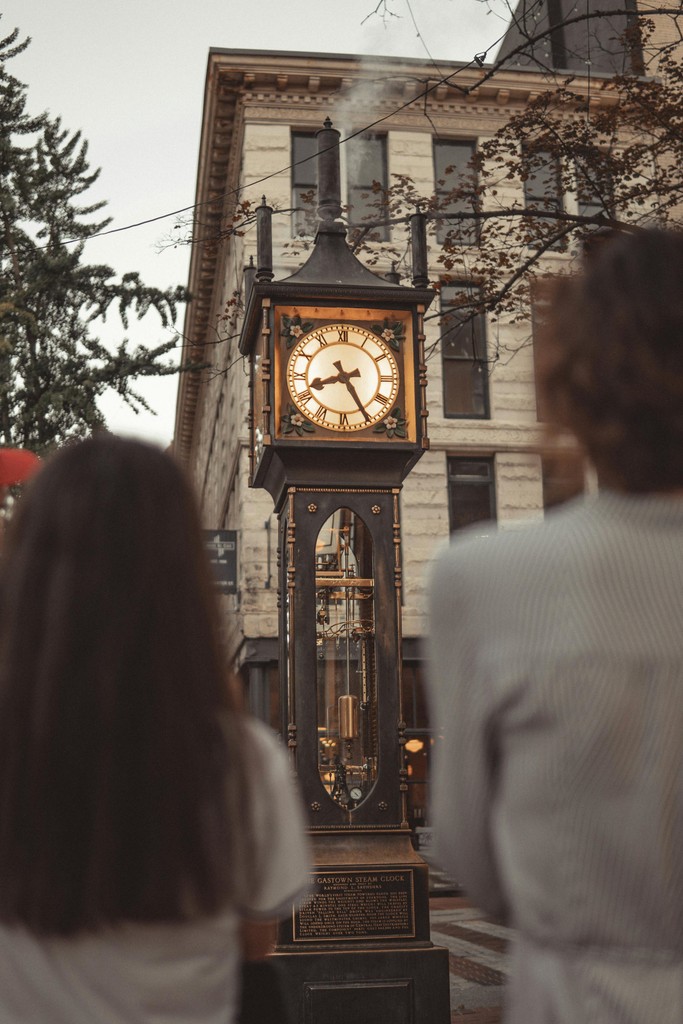
No More Changing Clocks: Your Guide to BC’s New Permanent Time
If you just moved to Vancouver, Surrey, or anywhere else in British Columbia, you've likely heard the buzz. People are celebrating in the streets, some are even dancing. Why? Because the "spring forward" and "fall back" ritual is finally ending.
For years, we waited for our neighbors in the U.S. to make a move. On March 2, 2026, Premier David Eby decided we’ve waited long enough. B.C. is going it alone.
The Quick Answer:
What is changing in BC? British Columbia will "spring forward" for the last time on Sunday, March 8, 2026. After this, the province will stay on permanent daylight saving time year-round. We are officially ditching the seasonal switch and moving to a new year-round time zone called Pacific Time (PT).
Why this news matters to you
When I first moved here, the time change felt like a cruel joke. Just as I was getting used to Canadian winters, the sun started setting at 4:00 PM. It felt lonely, and it made calling my family in Guadalajara a logistical hassle.
This change is about more than just convenience. It’s about your health, your safety on the road, and your connection to home.
The 2026 Timeline: How it works
You don't need to do much, but you should mark these dates:
March 8, 2026: At 2:00 AM, clocks move forward one hour. This is the final change.
November 1, 2026: Normally, we would "fall back." This year, nothing happens.
March 2027 and beyond: No more changes. You will stay on the same time forever.
🚨 Note for the Kootenays: Some regions in the Rockies (like Cranbrook and Golden) follow Mountain Time to stay aligned with Alberta. They will continue to switch between UTC-7 in the winter and UTC-6 in the summer. Double-check your specific city on the official BC Government news site.
What "Pacific Time" means for your family back home
This is the part I love most. Because we are staying "forward" in the winter, the time difference between BC and many countries will change.
If you are from Mexico (Central Time), like me, our winter gap will shrink. Instead of being two hours behind Guadalajara or Mexico City in December, we will only be one hour behind.
For many newcomers, this means:
Better overlap for calls: You can call your parents after work without waking them up at midnight.
Easier travel: When you fly home for the holidays, your "jet lag" will be one hour gentler.
Business clarity: If you work remotely for a company in a different time zone, your schedule stays consistent all year.
How this affects your daily life in Canada
The government didn't just do this for fun. They cited data from a 2019 survey where 93% of residents said they hated the change.
1. Safer Roads and Workplaces Statistics show that car accidents and workplace injuries spike in the days following a time change. Your body's internal clock (circadian rhythm) gets confused. By stopping the switch, BC hopes to keep workers and drivers more alert.
2. Winter Sunsets In the old system, the sun set incredibly early in the winter. Now, you’ll have an extra hour of light in the afternoon. This is a huge win for mental health. It gives you time to go for a walk or run errands before it gets pitch black.
3. Health and Sleep No more "Sleepy Monday." You won't have to force your kids to wake up in total darkness while their bodies think it's an hour earlier.
Is there a catch? The only "downside" is that BC will now be out of sync with Washington, Oregon, and California during the winter months, unless they follow our lead soon. If you do business with the U.S. West Coast, you’ll need to remember that from November to March, we will be one hour ahead of them.
Your 3-Step Plan for the Transition
Check your tech: Most smartphones and laptops will update automatically on March 8, 2026.
Update your manual clocks: Don't forget the oven, the microwave, and that old-school alarm clock.
Check your "Home" time: Open your world clock app and see how your home city’s offset changes starting in November 2026.
You’ve got this
Living in a new country is hard enough without the sun playing hide-and-seek with your schedule. This change brings a little more stability to our lives. No more expensive mistakes with missed appointments or confused international meetings. Just one more "spring forward," and then we can all breathe a sigh of relief.
Frequently Asked Questions (FAQ)
When is the final time change in BC?
The final change happens on Sunday, March 8, 2026, when clocks spring forward one hour. After that, the clocks will not fall back in November.
Will BC be on a different time zone than California?
Yes. From November to March, BC will remain one hour ahead of Washington, Oregon, and California. From March to November, the times will align.
Do I need to manually change my phone's clock?
No. Most internet-connected devices, like smartphones and laptops, will automatically update on March 8 and will not fall back in November.
Disclaimer: NewcomerSetup.ca is a research and educational platform. We are not certified financial or legal advisors. This guide is for informational purposes only.