What is the "Welcome to Canada" Benefit? (And How to Claim It)
Did an accountant tell you to apply for the $500 Welcome to Canada benefit? Learn the truth about this viral myth, what the money actually is, and how to claim it for free.

Javier Corral
Founder & Newcomer Guide 🇨🇦
Last updated:
Immigration & PR
If you are an international student or a recent immigrant, you have probably heard the rumor by now.
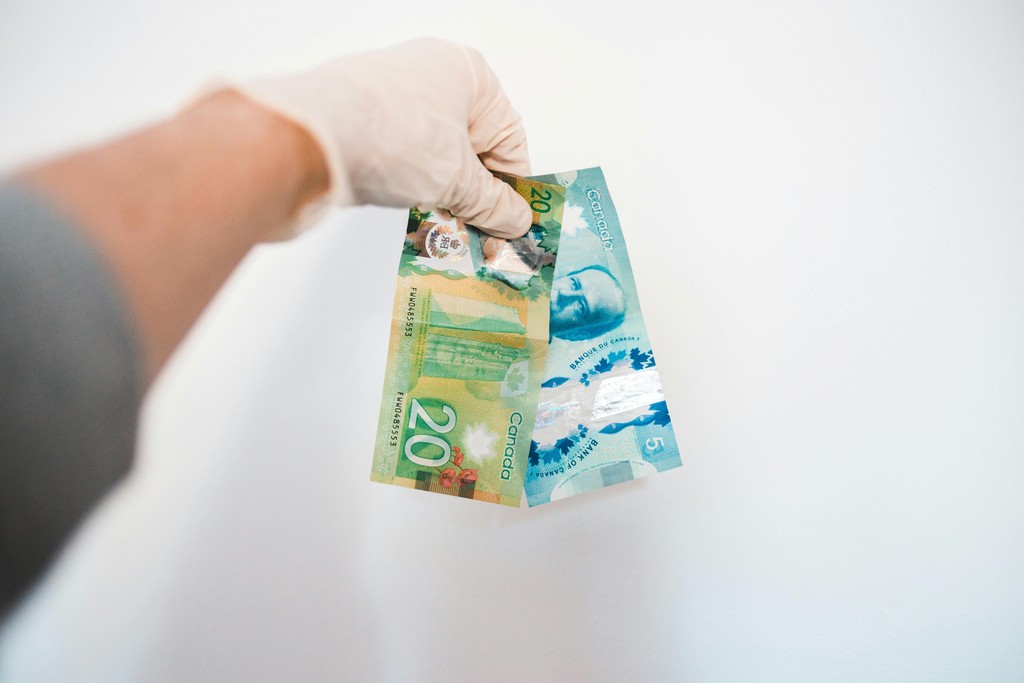
Someone in a WhatsApp group, or perhaps a local tax accountant, told you that the government is handing out a $500 to $600 "Welcome to Canada Benefit" just for arriving in the country. Some tax preparers will even offer to "unlock" this secret government grant for you—if you pay them an extra $40 to $50 on top of your standard tax filing fee.
Here is the unvarnished truth: The "Welcome to Canada Benefit" does not exist.
TL;DR: The "Welcome to Canada" Myth
There is no official federal program called the "Welcome to Canada Benefit." The term was invented as a marketing ploy by independent tax accountants to attract international students.
What the money actually is: When you apply for this "benefit," the accountant is simply applying for your standard GST/HST Credit and your local provincial credits (like the Ontario Trillium Benefit).
How to get it for free: You do not need to pay an accountant to unlock this. You can claim this money yourself the week you arrive by filling out a free, one-page government form called the RC151.
Here is exactly how this rumor started, what the money actually is, and how to legally claim your cash without getting scammed.
The Origin of the Myth
The Canadian tax system is incredibly generous to low-income individuals and students, automatically sending out quarterly cheques to help offset the cost of sales tax and rent.
Years ago, a few clever (and slightly unethical) tax preparation clinics realized that newcomers didn't understand how these quarterly GST/HST credits worked. To get more clients to walk through their doors, these clinics rebranded the standard GST/HST credit as a special, limited-time "Welcome to Canada Benefit."
The marketing tactic worked too well. The phrase went viral on international student forums. Today, thousands of newcomers search for it, thinking it is a separate, secret pile of cash.
If an accountant or "immigration consultant" tells you they will charge you extra to file your "Welcome to Canada" application, walk away immediately. They are scamming you.
What the Money Actually Is
When you fill out the paperwork that triggers your first payments, you are actually applying for two very real, very legal government programs:
1. The Federal GST/HST Credit: Because Canada charges a 5% to 15% sales tax on almost everything you buy, the federal government gives a portion of that money back to low- and middle-income earners four times a year. As a newcomer or student, your Canadian income is likely very low, meaning you qualify for the maximum payout.
2. Provincial Tax Credits: Depending on where you live, your province will add its own money to your federal cheque. For example, if you landed in Toronto, you will receive the Ontario Trillium Benefit (OTB), which is designed to help you pay your energy bills and property taxes (or rent). If you landed in Alberta or BC, they have their own equivalent provincial credits.
How to Claim the Money (The RC151 Form)
You do not have to wait until tax season (April) to get this money. You can apply for it the week you arrive in Canada.
Because you just landed, the Canada Revenue Agency (CRA) does not know how much money you made in your home country last year, which means they don't know if you qualify as "low-income."
To prove your income and trigger your payments, you simply need to fill out Form RC151 (officially titled: GST/HST Credit and Canada Carbon Rebate Application for Individuals Who Become Residents of Canada).
The Step-by-Step Process:
Go to the official CRA website for Newcomers and download the RC151 PDF.
Fill out your basic information (Name, Address, Social Insurance Number).
The most important section: You must declare your "World Income." You need to convert the money you made in your home country during the previous year into Canadian Dollars (CAD) and write it on the form. (If you were a student and made $0, just write $0. Do not leave it blank).
Mail the physical form to the tax center listed on the back of the document.
Within roughly 8 weeks, the CRA will process your RC151 and you will receive a lump-sum deposit for any quarterly payments you missed since the day you landed.
(Note: If you arrived in Canada with children under the age of 18, do not use the RC151. Instead, fill out form RC66 to apply for both your GST/HST credit and the Canada Child Benefit at the same time).
The Final Verdict
Canada is an expensive country, and you are absolutely entitled to financial support from the government while you settle. Just make sure you call it by its real name. Fill out your RC151, set up direct deposit with your bank, and keep that extra $40 in your pocket instead of paying it to a predatory accountant.
Stop Paying the "Newcomer Tax"
Falling for the "Welcome to Canada" myth is just one of the ways newcomers bleed money during their first year. If you don't know how to navigate Canadian banking, credit bureaus, and the hidden costs of renting, you will lose thousands.
Take our free Newcomer Blueprint Assessment below. In less than 60 seconds, it will analyze your current immigration stage and give you the exact, myth-free steps you need to take to optimize your finances and settle securely in Canada.
Disclaimer: NewcomerSetup.ca is a research and educational platform. We are not certified financial or legal advisors. This guide is for informational purposes only.