What Do I Need to Start a Bank Account in Canada? (2026 Checklist)
Getting ready to open your first Canadian bank account? Here is the exact 2026 checklist of IDs, documents, and proof of address you need (and what you don't).

Javier Corral
Founder & Newcomer Guide 🇨🇦
Last updated:
Banking
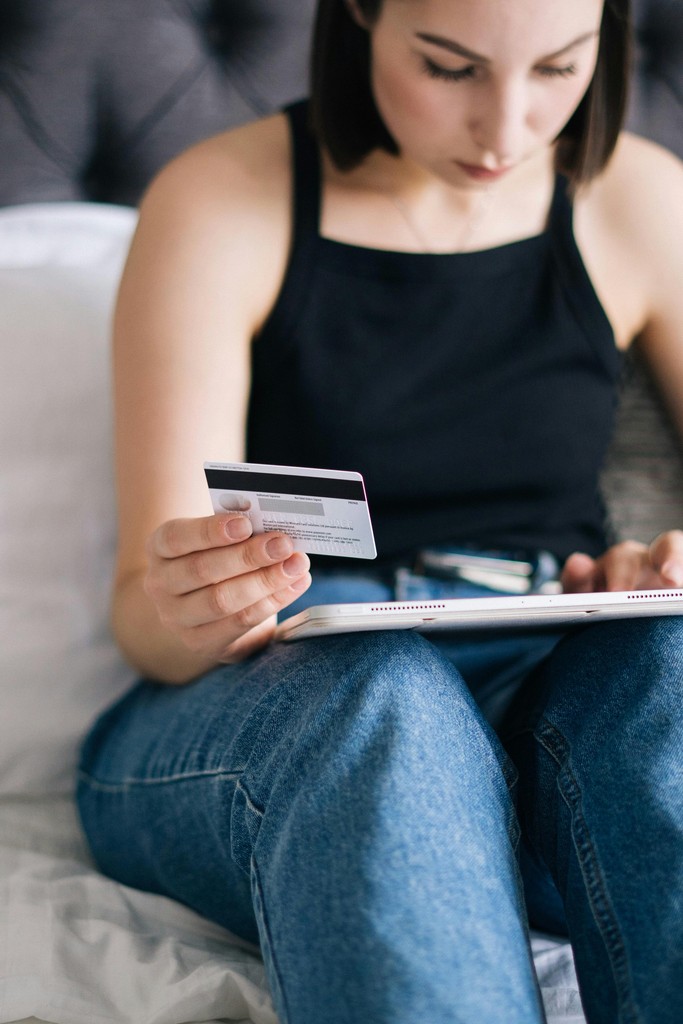
Walking into a Canadian bank branch for the first time is stressful. You are in a new country, you likely need a place to safely deposit your life savings, and the last thing you want is for a teller to reject your application because you forgot a single piece of paper.
The internet is full of conflicting advice about what documents you actually need. Some blogs say you need a job. Others say you need a Social Insurance Number (SIN).
Let’s cut through the noise. Here is the exact, legally backed checklist of what you need to open a retail bank account in Canada in 2026.
TL;DR: The 2026 Newcomer Bank Checklist
Under Canadian federal law, you must present two pieces of acceptable identification at the bank branch. If you are a newcomer, you should bring:
Primary ID: Your valid, foreign Passport.
Immigration Document: Your official Work Permit, Study Permit, or Permanent Resident (PR) card.
Secondary ID: A credit card or bank card from your home country (must have your name and signature).
Proof of Address: A lease agreement, utility bill, or a letter from your temporary Airbnb/hostel.
Here is exactly how the Canadian banking laws work, and how to beat the dreaded "Proof of Address" catch-22.
The Legal Reality: They Cannot Discriminate
Before we look at the documents, you need to understand your rights.
According to the Financial Consumer Agency of Canada (FCAC), you have a legal right to open a basic personal bank account at any federally regulated bank. A bank teller cannot legally refuse to open an account for you just because:
You are currently unemployed.
You do not have any money to deposit right away.
You have no Canadian credit history.
You are not a Canadian citizen.
As long as you provide the correct identification and are not attempting to commit fraud, they must open an account for you.
The "Two-ID" Rule (What You Must Bring)
To prevent money laundering, Canadian banks use a strict "Two-ID" verification system. You cannot use photocopies or digital photos on your phone; you must bring the physical, original documents.
Piece 1: Your Primary Identification As a newcomer, this is straightforward. You must bring your valid, unexpired Foreign Passport.
Piece 2: Your Immigration Status / Secondary ID The bank needs to know your legal status in Canada. You must bring the physical immigration document (often called an IMM 1442) that the border officer stapled into your passport at the airport. This is your Work Permit, Study Permit, or Visitor Record.
If you do not have a work or study permit yet, or if the bank teller is being overly strict, you should also bring a backup secondary ID. The most universally accepted backup is a valid credit card or debit card from your home country, provided it has your legal name printed on the front and your physical signature on the back.
The "Proof of Address" Catch-22
This is the biggest hurdle for newcomers. The bank needs a Canadian address to mail your physical debit card, but how do you get a lease for an apartment if you don't have a bank account yet?
Canadian banks are highly aware of this "catch-22" and have built-in workarounds for their Newcomer Programs. If you do not have a formal lease agreement or a utility bill in your name yet, you can usually use:
A Temporary Address: You can provide the address of your Airbnb, hotel, or hostel. (It is highly recommended to ask the hostel or Airbnb host to write a quick letter stating you are staying there).
A Friend/Family Address: You can use the address of a friend or relative who is already established in Canada, allowing your card to be mailed to their secure mailbox.
Once you secure a permanent apartment, you simply log into your banking app and update your address.
3 Things You DO NOT Need to Open an Account
Do not let a misinformed bank teller tell you otherwise. You do not need the following to open a basic chequing account:
A Job Offer: You do not need to prove employment to open a deposit account.
A Minimum Deposit: You can legally open an account with a $0 balance.
A Social Insurance Number (SIN): This is the biggest myth on the internet. You do not need a SIN to open a standard, non-interest-bearing chequing account. You only need a SIN if you are opening an account that earns interest (like a High-Interest Savings Account) so the government can tax the interest, or if you are applying for a credit card.
The Final Verdict
Gather your physical passport, your work/study permit, your foreign credit card, and the address of your temporary accommodation. Put them in a folder, walk into a major "Big 5" bank branch (like BMO, Scotiabank, or RBC), and ask for their specific "New to Canada" banking package.
Stop Guessing. Start Settling.
Opening your bank account is the very first step of your settlement journey, but it is only the beginning. Do you know how to leverage that new bank account to build a 700+ Canadian credit score in your first six months?
Take our free Newcomer Blueprint Assessment below. In less than 60 seconds, it will analyze your specific immigration stage and tell you exactly what you need to do next to optimize your finances and avoid the "Newcomer Tax."
Disclaimer: NewcomerSetup.ca is a research and educational platform. We are not certified financial or legal advisors. This guide is for informational purposes only. Restaurant prices and promotions vary by province and are subject to change.